
Dying.
The candle will not spontaneously light up and glow; there is a cost involved. The materials of its existence in the physical realm (tallow and wick) are slowly consumed to make possible the shining of the light. In a continues process of “enlightenment,” the candle surrenders its being at one level in order to manifest at another.
~ Cynthia Bourgeault
lent, 7 - shedding life itself
Last week Kellie and I had the privilege of walking her father up to the gate of death and sending him to his heavenly welcome. Frank Wilder was 88 years old, and we sat with him as he suffered a stroke. We sat with him as the nurse sedated him. We sat with him for days in Hospice, alongside others in the family. And we sat beside his grave as they lowered his body into the earth. In a moment of time, Frank shed one body in exchange for another.
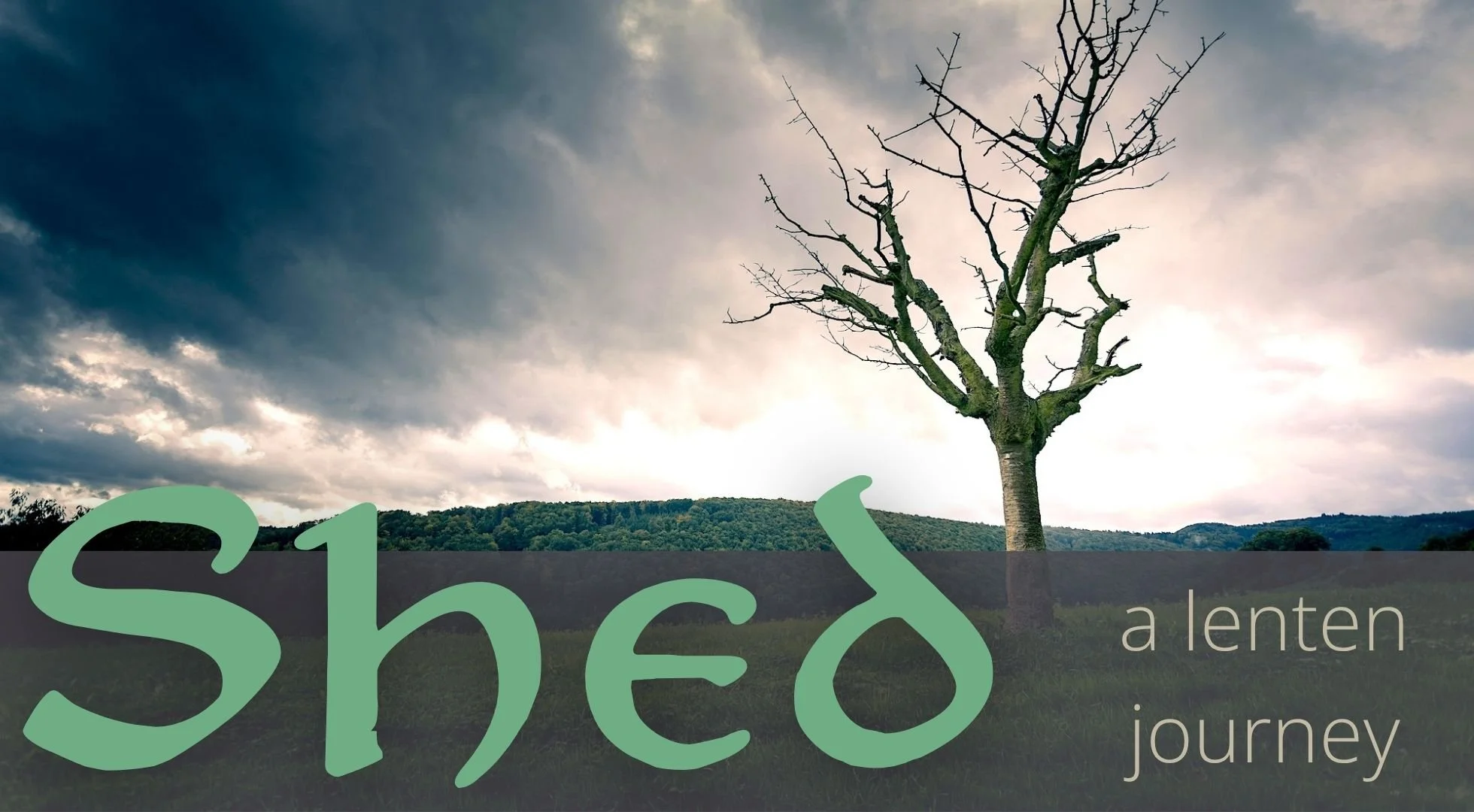
In our journey through Lent this year I have framed this season of reflection as a chance to shed the weights and encumbrances of the false self (shields, stresses, attachments, indulgences, and judgments) that were no longer serving us. Ultimately, the final shed is life itself. Today is Palm Sunday, and we enter into Holy Week to, as it were, prepare to walk Jesus up to the gate of death and shed one body in exchange for another. And you and I will follow that same course.
Our physical bodies are precious gifts—a sacred “temple” as St. Paul describes it. He says later in that same book that these bodies will be raised out of the ground one day, no matter how consumed, and be made new. Clothed with immortality. In a transfiguration I can’t fathom, our old worn-out bodies will be renewed into some kind of revitalized, everlasting body. But before that resurrection, Jesus assures us, our bodies must be planted into the ground in death like a seed (John 12:24).
Here’s the thing: The ultimate shed of life begins long before our final breath. “The secret of life is to die before you die” advises Eckhart Tolle, and how right he is! Think back across the last six weeks—What have you let go of as an act of shedding? Maybe some reactivity, maybe some anxiety, maybe some judgments… Go ahead, name it. Now, didn’t the release that brought you freedom begin with the sting of a small death? We don’t hold our attachments for no reason; they comfort us even as they wound us. Some part of us wants to hang on. Even when our eyes are opened and we see how they injury us, there is a cost to opening our hands to actually let them go.
The Buddhists get it right here: It’s our attachments that cause us pain. The Bible calls it sin, and our sins yield deaths large and small. Which means that it’s the act of detaching (awakening, releasing, and turning) that leads us toward life and hope and shalom. Resurrection—that glorious rebirth from the grave—can only be approached through the gateway of death. Many deaths actually.
My father-in-law slept through his physical death—from sedated sleep to heavenly awakening. The contemplative journey is likened similarly: Regardless of belief system, we all sleep-walk our way through life until we gradually, oh so gradually, begin to awaken to the Real. As the blind man said to Jesus, “I see people; they look like trees walking around.” He had only begun to awaken senses both physical and spiritual.
Right before Jesus opened this man’s eyes, he asked his (apparently sighted) disciples, “Do you have eyes but fail to see, and ears but fail to hear?” Answer: Yes, we have eyes… They just don’t work very well. Our vision is distorted. “Lord, if you are willing, you can heal me.”
“I am willing!” he responds enthusiastically. Receive your sight. Shed your sorrows. Turn loose your life to find your life.
finding our way home
The death and resurrection of Jesus are collectively the most vivid, the most visceral parable of what our journeys are to be. We too constantly run up against Empire, both within and without, and have to shed our attachments—even to life—in order to pass through to destiny. It’s that simple… and that hard… and that redemptive.
takeaway
Surrender.