
Freedom.
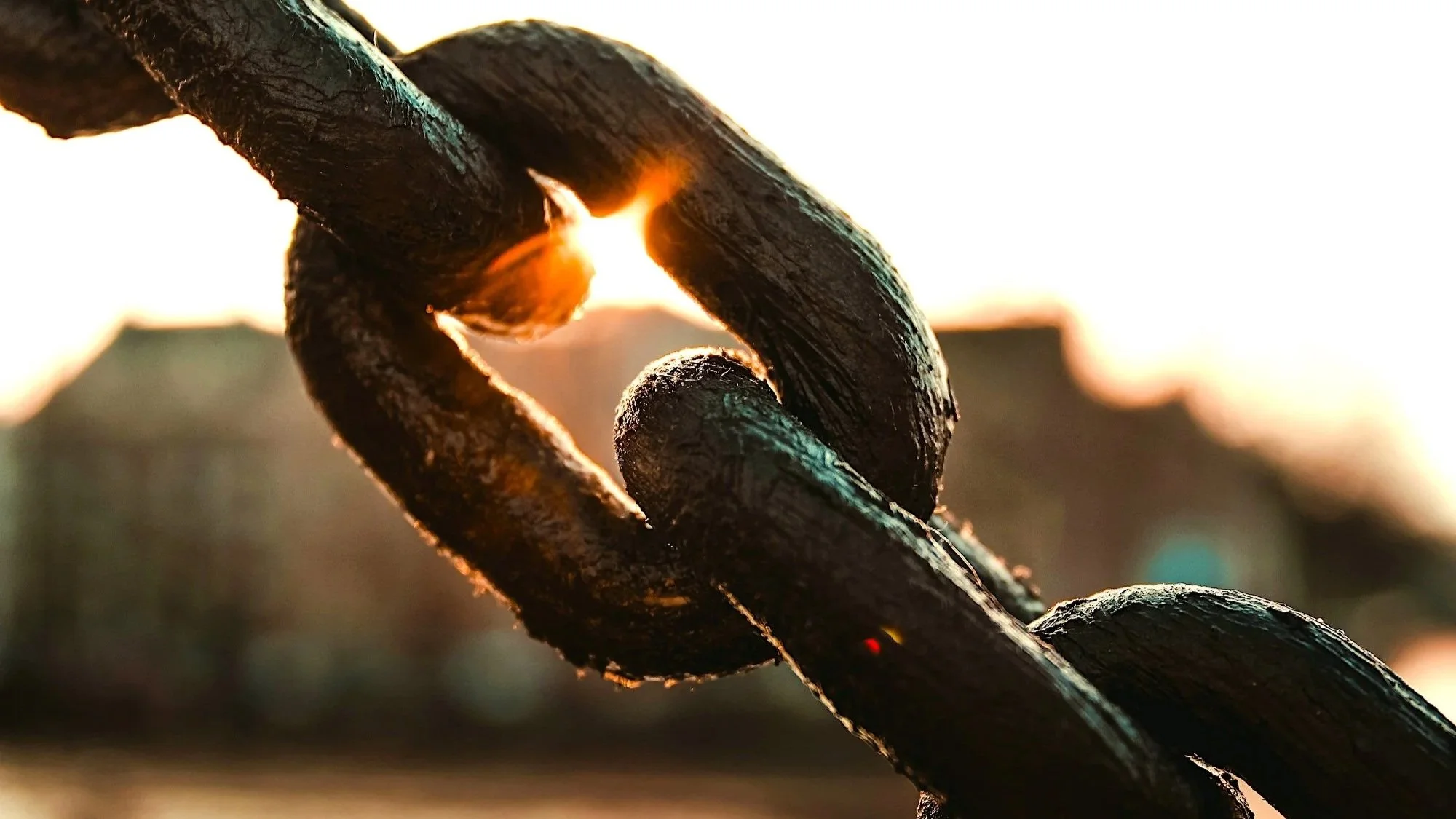
By giving humans freedom, God has yielded to us a piece of Divine authority, but with the intention that we would voluntarily bring it as a sacrifice to God.
~ Theophan the Recluse
I was sitting in a favorite place Sunday afternoon—around a table with five other guys in the backyard of my friend John Freeman—holding one of our typically lightweight conversations: How do we reconcile the tension between an all-powerful, all-loving God and the slate of tragedies that befall our world on every side every day? It’s a timeless dilemma for every thoughtful Godward soul—one not easily dismissed by theological one-liners.
When we’re young, conceptual answers often suffice. It’s not until we’ve suffered real loss in our lives, until we’ve been disappointed by the “pray-away” culture, until we have stood at graveside for those who died too young that the question looms large and daunting. Or until we see images of children torn by wars casually inflicted from the gilded offices of megalomaniacs. Where is God then?
Not one of us holds a truly satisfying answer, and none of us should attempt it with dry eyes.
Nevertheless, to hold faith with any integrity at all, we must attempt it. We must grapple with the unanswerable. How do we hold the goodness of God in one hand and the unjustness of our world in the other? King David wrestled with it mightily:
“As for me, my feet had almost slipped… when I saw the prosperity of the wicked…. Surely in vain I have kept my heart pure and have washed my hands in innocence. All day long I have been afflicted, and every morning brings new punishments…. When I tried to understand all this, it troubled me deeply.” ~ Ps 73
For me, I find some solace in a singular idea: Freedom.
If God could intervene, but doesn’t, then God must have a really good reason. There must be some virtue to God’s restraint that compensates in some measure for the grief God clearly shares in our cosmic suffering, right?! I believe that virtue is freedom. God seems more committed to our agency than to our protection. Or in other words, without freedom there can be no love.
Last night, Kellie came to our Daily Examen with an insight that was landing fresh for her: You can’t love someone and try to control them at the same time. If you have adult children, you’ll get this... Once they have their own home, their own job, and their own direction, we dare not intervene. Depending on the openness of the relationship, we can offer perspectives and even advice (gingerly, humbly), but our love demands their freedom. Even when we disagree or believe that their choice will end badly! God seems to take a similar approach with us.
Satisfying? Not particularly. But at least some sense of meaning begins to emerge here. Love. Freedom. With-ness. Compassion. Last but not least: A good ending to a troubled story. At least that’s where David landed.
“It troubled me deeply till I entered the sanctuary of God; then I understood their final destiny.” Redemption eventually.
My last post hinted that some redemption lands on this side of eternity. That feels important to me. The rest lands on the other side.
finding our way home
Where do you find peace in this tangle of tension?
takeaway
Love means freedom.